

Organizations worldwide are facing a critical barrier in artificial intelligence adoption as research reveals a severe workforce skills shortage despite record corporate investments. According to IDC's 2025 findings, while 94% of CEOs rank AI skills as their top hiring priority, only one-third of organizations report their employees are adequately trained for AI-related roles. The scale of this problem has reached substantial levels, with Deloitte's 2025 research showing 68% of executives report a moderate to extreme AI skills gap within their organizations.
The economic implications have become staggering, with IDC estimating the global cost of the AI skills gap now exceeds $5 trillion annually. This financial impact occurs alongside significant operational challenges, as Forrester's 2025 study reveals only 22% of employees know how to use prompt engineering effectively, creating major adoption barriers despite increased spending on automation and generative tools. Julie Anne Eason, Founder of MindFlare AI, explained the fundamental issue: "AI doesn't replace human expertise — it expands capacity. The problem isn't access to technology; it's access to practical, role-specific learning. Closing that skills gap is the fastest way to unlock real ROI."
Traditional training approaches are proving inadequate for addressing this growing challenge. Most learning and development programs remain outdated and detached from daily work, focusing on tools rather than transformation. This problem is compounded by the Ebbinghaus Forgetting Curve, the psychological principle demonstrating that people forget up to 90% of what they learn within days without reinforcement or application. As organizations prepare for 2026, Deloitte identifies AI training as the single largest barrier between adoption and measurable ROI, while Forrester confirms most employees remain unprepared for AI-enabled workflows.
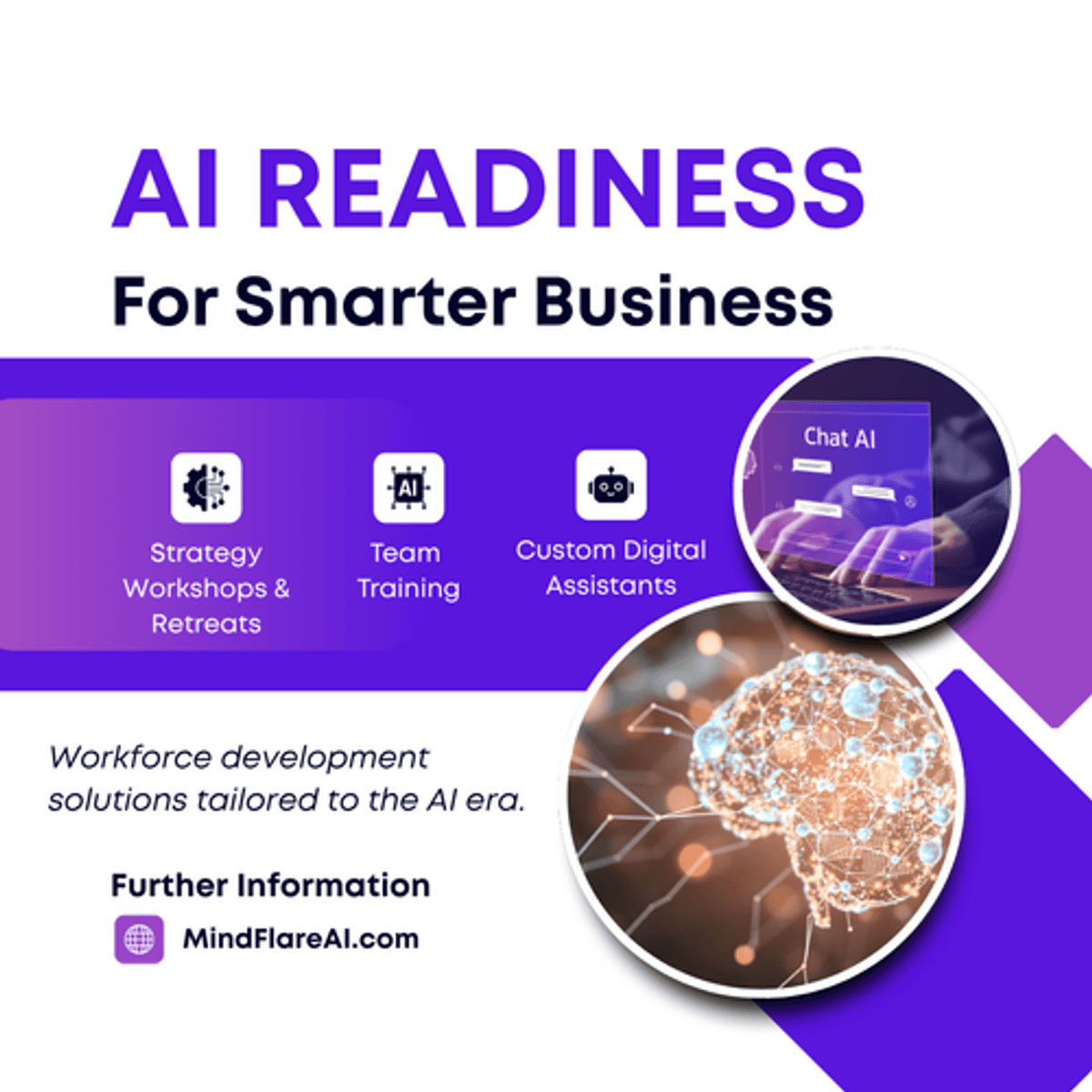
New solutions are emerging to address this critical gap. MindFlare AI's approach combines global AI literacy standards with role-specific application, hands-on workflow design, and real-time AI learning assistants. This integrated methodology transforms AI education from theoretical concepts into daily applied skill-building that fits seamlessly into existing workflows. "When people understand exactly how AI applies to their role, adoption stops being intimidating and starts being exciting," Eason added. "That's when companies move from experimenting to scaling."
The urgency for effective action has never been clearer as the skills shortage continues to affect global productivity and innovation. Companies that invest in comprehensive AI capability development now will enter the new year with trained teams, measurable returns, and competitive advantages that directly address the workforce challenges documented in research from https://www.idc.com, https://www2.deloitte.com, and https://www.forrester.com. The transition from theoretical knowledge to practical application represents the crucial next step in realizing AI's transformative potential across industries.